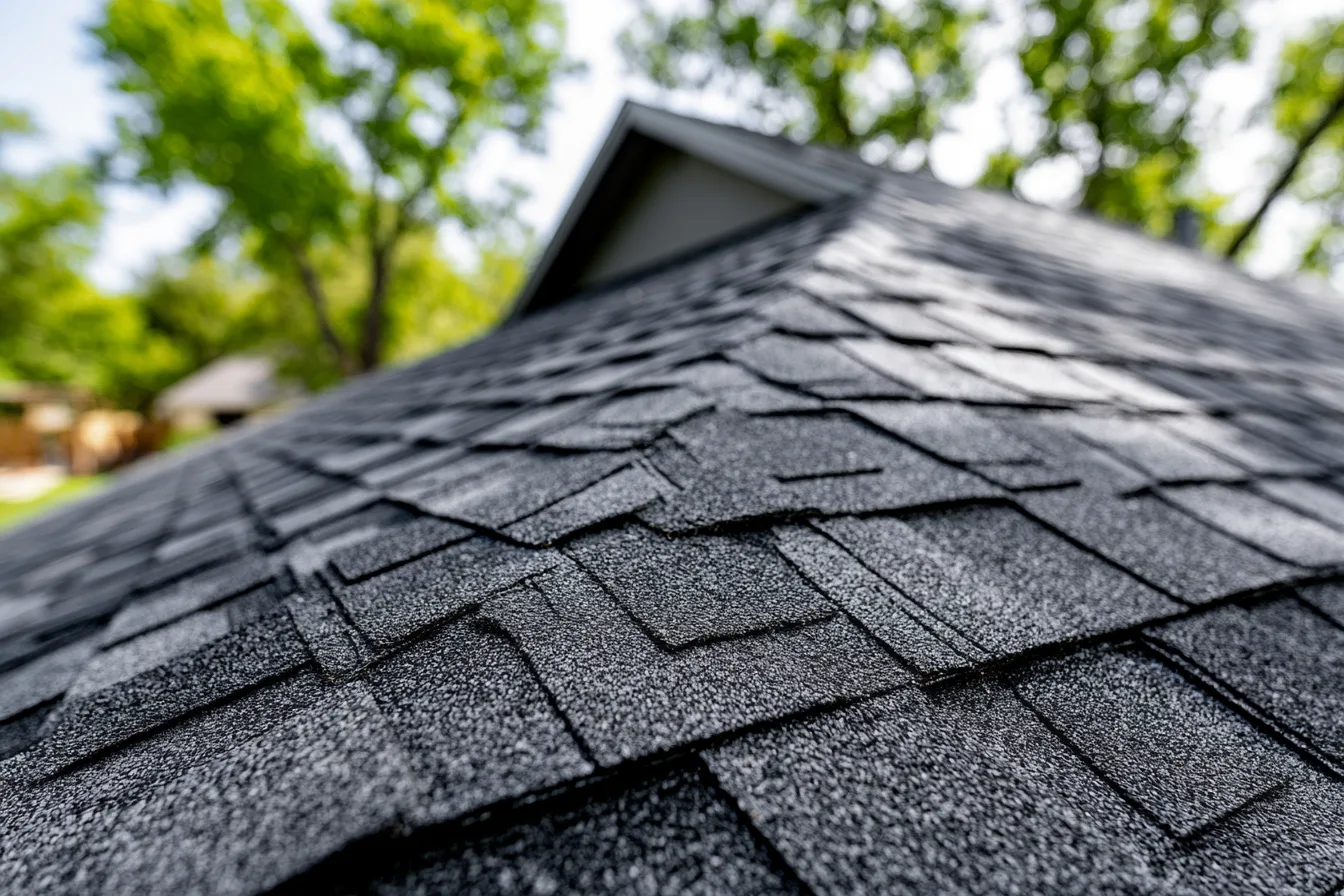
Are Impact-Resistant Shingles Worth It in North Richland Hills?
Two roof quotes can look much the same until the shingle line. One names a standard architectural product; the other adds an impact rating and a higher total. That is a real decision, and a conversation beside a sample board should leave you with more than the phrase “better for hail.” The useful comparison is the exact product, the extra cost on your roof and what your insurer does with it.
What Class 4 actually means
Class 4 is the highest classification in the UL 2218 impact test. It describes performance under controlled conditions. That is useful information about a product; it is not a promise that the roof will emerge undamaged from every natural hailstorm.
Hail varies in size, hardness and shape. The direction and speed of the impact, the support below the shingle and the condition of the roof also matter. A lab classification does not establish one natural stone size at which every ordinary shingle fails and every Class 4 shingle survives.
There is another category distinction worth clearing up: an architectural shingle can also be Class 4. Architectural describes the layered profile, while Class 4 describes the impact classification. Compare named products rather than treating every label as a separate rung on a universal ladder.
What the local record can tell you
The local storm archive contains reported hail and thunderstorm-wind events around a stated North Richland Hills reference point. It provides dates and locations you can inspect, including the limits of the reporting window.
Those records give context for taking impact resistance seriously. They do not calculate the chance of your house being hit again, tell you which shingles are damaged now, or turn one neighbor’s replacement into evidence about your roof. Hail exposure and roof condition still need to be considered separately.
Compare the upgrade on the same roof
The current DFW contractor-published ranges used in our cost guide are $5 to $8 per square foot of roof surface for architectural shingles and $6.50 to $10 for Class 4 impact-rated shingles. On an example 2,400-square-foot roof surface, those bands give $12,000 to $19,200 and $15,600 to $24,000.
These are regional planning bands that include ordinary tear-off, not a measured average for North Richland Hills or this brand’s quote. Their overlap also matters: subtracting one broad range from another does not tell you the actual upgrade price. Ask for two named products on the same measured roof, with the same flashing, preparation and other scope.
If one quote changes the product and quietly changes the underlayment or flashing as well, you are comparing two jobs. The product premium becomes clearer once those differences are named.
Ask the insurer about more than a discount
Some insurers recognize qualifying impact-resistant products. Ask whether the exact product and installation qualify under your policy, what documentation is needed and how much the current premium would change. Get that answer before ordering the roof.
Also ask whether any cosmetic-damage exclusion or other term changes with the roof choice. A discount is not the whole policy. The deductible, covered losses and valuation basis remain part of what you may pay after damage.
You can compare a quoted upgrade cost with an annual premium difference as a simple planning calculation. Do not treat that result as guaranteed payback: rates, coverage and the length of time you keep the property can change. Texas also prohibits contractors from absorbing or rebating the deductible. Our claims guide explains the separate roofing and insurance roles.
Three questions that make the choice clearer
First, what are you actually buying? Ask for the product name, impact classification, installation requirements and offered coverage. A sample board alone does not give you those answers.
Second, what is the additional price on your roof? Compare the same work with the two products you are considering. A broad regional range is helpful for planning, but it cannot settle that difference.
Third, how does the choice fit your plans? A longer intended stay may give more time for any premium savings to matter, but appearance, budget and the performance you want count too. No one can promise a future buyer will pay back the upgrade.
Our roofer can help you compare suitable shingle options after inspecting the roof. The right answer is the one you can explain from the product and price in front of you.
Start with the roof you have
If the current roof is sound and only a local detail has failed, choosing a whole new covering may be premature. A free inspection can help establish whether this is a repair decision or a replacement worth pricing.
Impact-resistant shingles, common questions
The practical questions behind the upgrade.
How much more do Class 4 shingles cost?
The regional bands on this page give a starting comparison. Ask for the exact upgrade between named products on the same roof scope; subtracting broad market ranges is not a quote.
Will my insurer definitely give me a discount?
No. Ask about the exact product, documentation and policy terms. A discount offered for one roof or policy does not establish one for yours.
Do impact-resistant shingles survive hail undamaged?
Not always. Controlled impact classification is useful, but natural hail and roof assemblies vary. Damage still needs assessment on the actual roof.
Can I upgrade only part of the roof?
Compatibility, appearance and transitions need checking, and a partial upgrade may not meet the insurer’s requirements. Ask both the roofer and insurer before assuming it qualifies.