North Richland Hills, TX
Flat Roof Repair in North Richland Hills, TX
Flat roof repair on the low-slope sections over patios, porches and additions, where ponding water and failed seams do most of the damage.
Flat and low-slope
The section of your roof that plays by different rules.
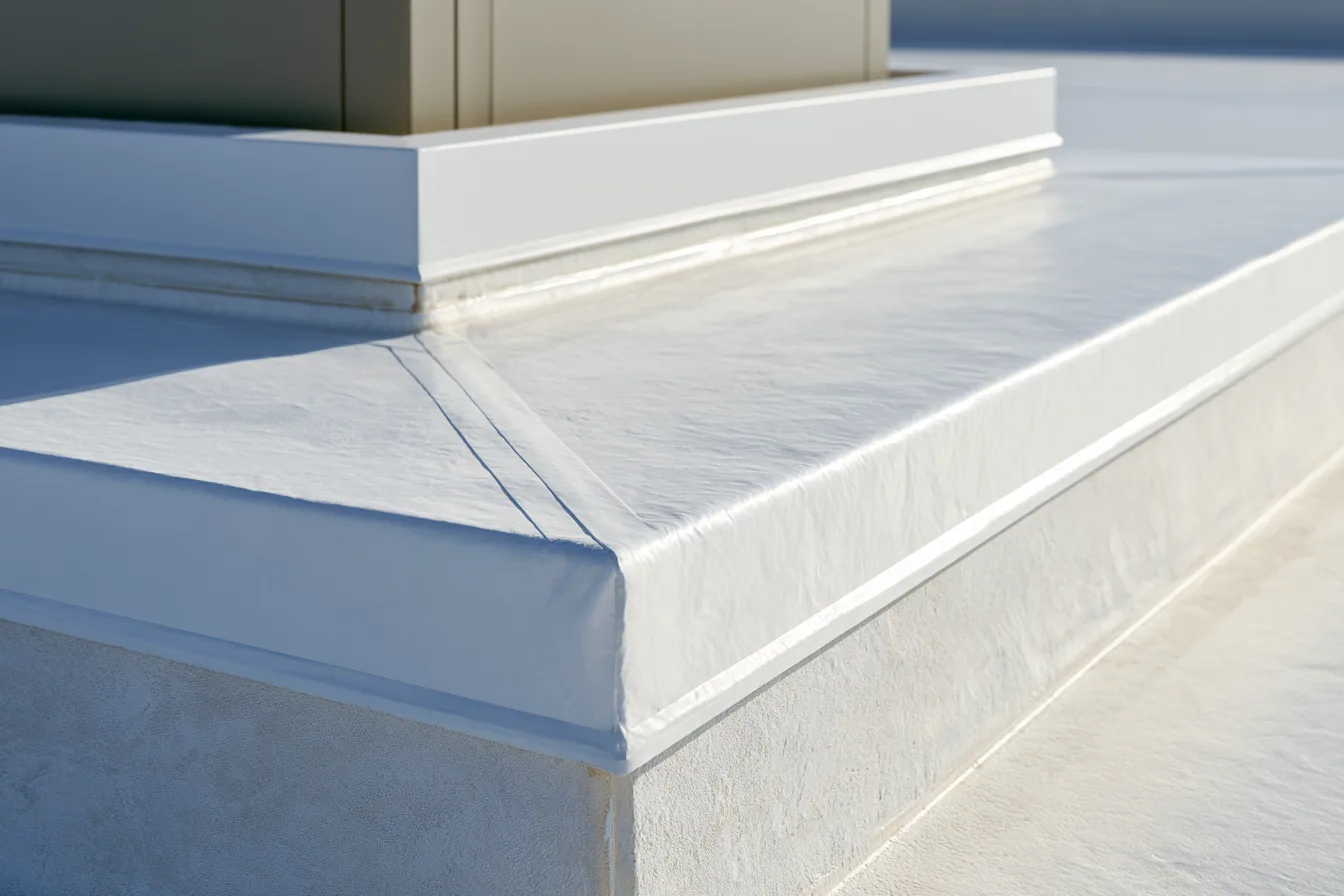
A low-slope porch, patio or addition handles water differently from the steep main roof beside it. Water moves off more slowly, so the seams, roof-to-wall transitions and drainage need particular attention.
Shingles have minimum-slope requirements. A membrane or other approved low-slope assembly may be needed below them. The roofer should identify the existing material and measure the slope before choosing the repair.
Low-slope repair work
Everything a North Richland Hills flat roof repair includes
Different failures, different fixes, and shingle logic doesn't transfer.
- Ponding water
Standing water that persists after rain calls for a drainage and roof-deflection check, alongside the system’s tolerances.
- Seam failure
Where two sheets of membrane are joined. Heat cycling works at the bond until it opens.
- Wall transitions
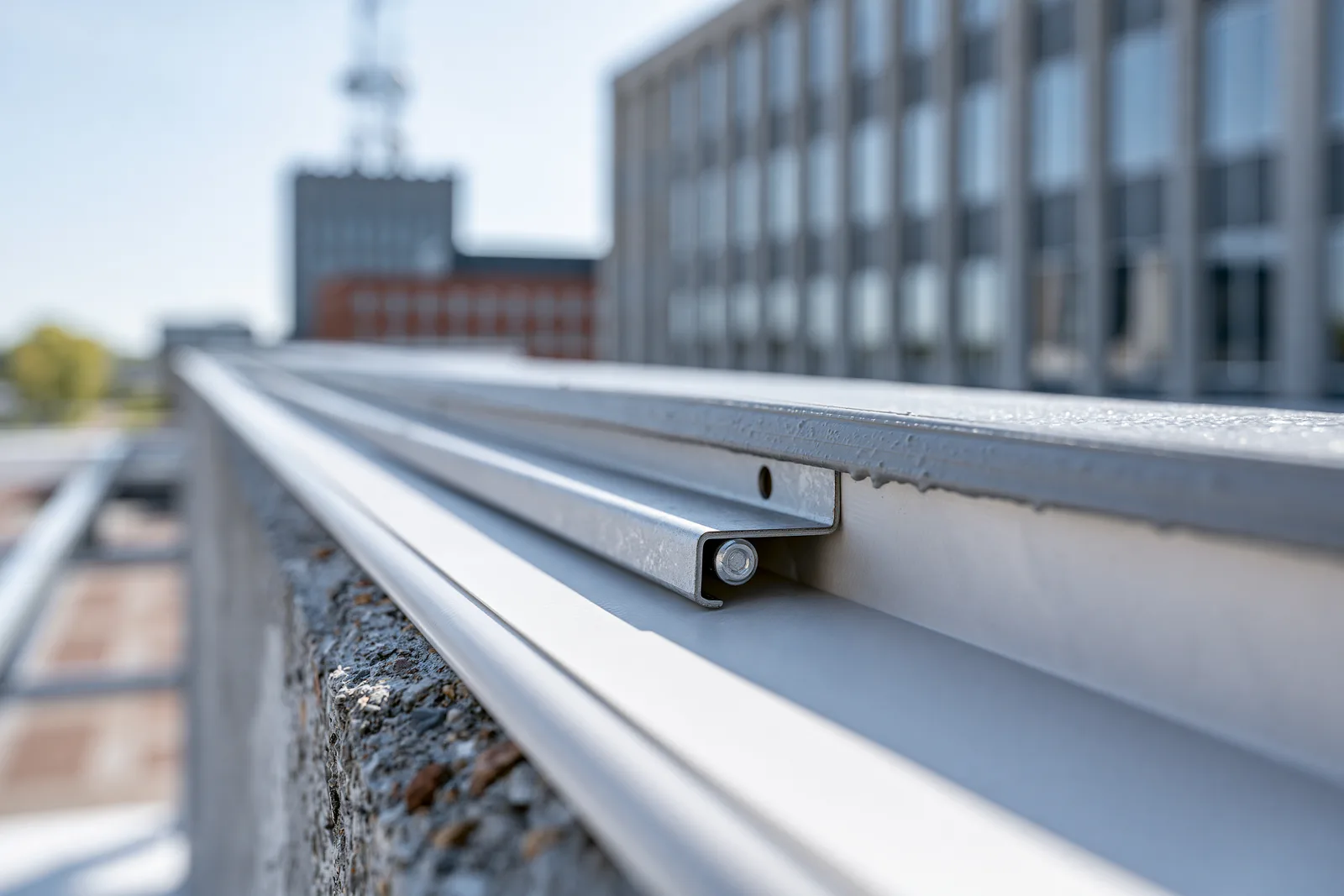
Flashing needs to connect the low-slope covering to the wall and main roof details.
- Punctures
Dropped tools, foot traffic, a branch. A membrane's tough, but it isn't armor.
- Shingles below minimum pitch
Installed on a slope too shallow to shed. It isn't a repair problem, it's the wrong system.
- Blocked or undersized drainage
A scupper or drain that can't clear a Texas downpour turns the whole section into a basin.
Drainage corrections and compatible repairs may both be needed. The presence of ponding alone does not settle whether the entire system must be replaced.
Ponding and seams
Signs it is time for a flat roof repair
Most of this is visible from an upstairs window or from the ground.
Water lingering after rain
Record when it rained and how long the water remains, from a safe viewing point.
Bubbles or blisters in the membrane:
moisture or air trapped under the surface.
Open or lifting seams:
visible lines where the sheets have separated.
A stain below the addition
The roofer needs to trace the entry rather than assume it is directly overhead.
Cracking or alligatoring on an older coating:
the surface has gone brittle and lost its flexibility.
Debris at a drain or scupper
A blockage can interrupt drainage and needs safe attention.
Low-slope questions
Repairing a low-slope roof
Residential low-slope, not commercial.
Can a flat section be repaired, or does it need replacing?
Local seam, puncture and flashing failures can often be repaired if the surrounding system is sound. Wet insulation, extensive membrane deterioration or an unsuitable assembly may change the scope. Drainage should be assessed with the repair.
What goes on a residential low-slope roof?
Usually a single-ply membrane such as TPO, or a modified bitumen system. Both are designed to hold water out instead of shedding it, which is what the slope requires.
Why does my patio roof leak when the main roof does not?
The slope, materials and wall connections may be different. The patio section could have a failed seam, blocked outlet or unsuitable covering; the inspection needs to establish which.
Do you handle commercial flat roofs too?
Yes, and those are covered separately. Commercial low-slope work runs to different systems and different scales, so it has its own commercial roofing pages.

North Richland Hills Roofers
Tell us where the flat roof is leaking
Tell us which part of the roof leaks and whether water lingers after rain. Our roofer can check the material, drainage and joints before recommending work.
(817) 479-0604