One
Inspect and measure
Our roofer checks the covering, roof details and visible signs of deck trouble. The measure establishes the area being priced.
North Richland Hills, TX
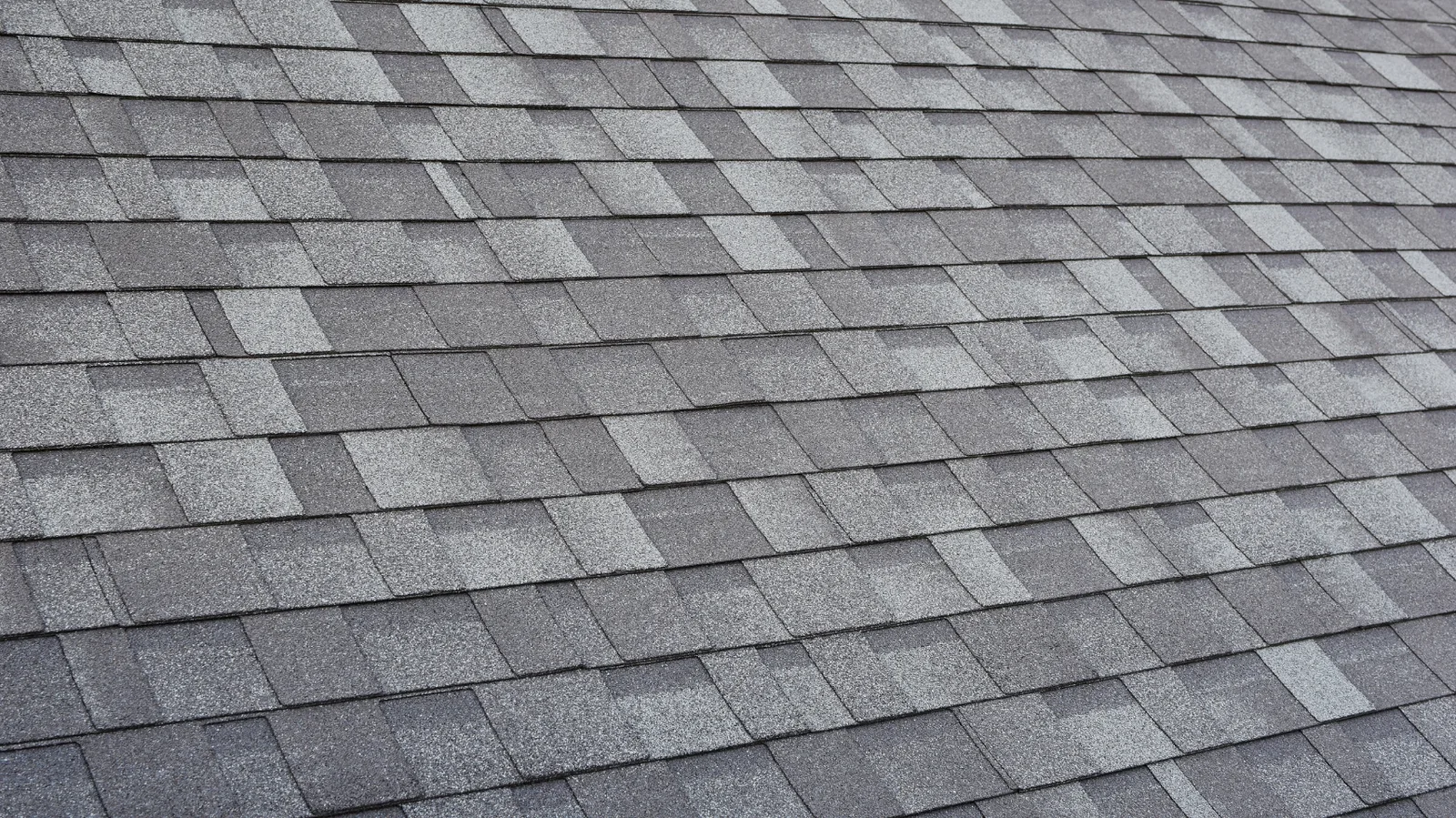
A new covering starts with knowing what the old one is sitting on. Our North Richland Hills roofers inspect the roof and explain the replacement scope before you choose the system.
Roof replacement
There is a point where another patch leaves too much worn roofing behind. Shingles that break during a repair, damage across several slopes or recurring failures can make replacement the more useful option. A sound roof with one failed detail asks for a different job.
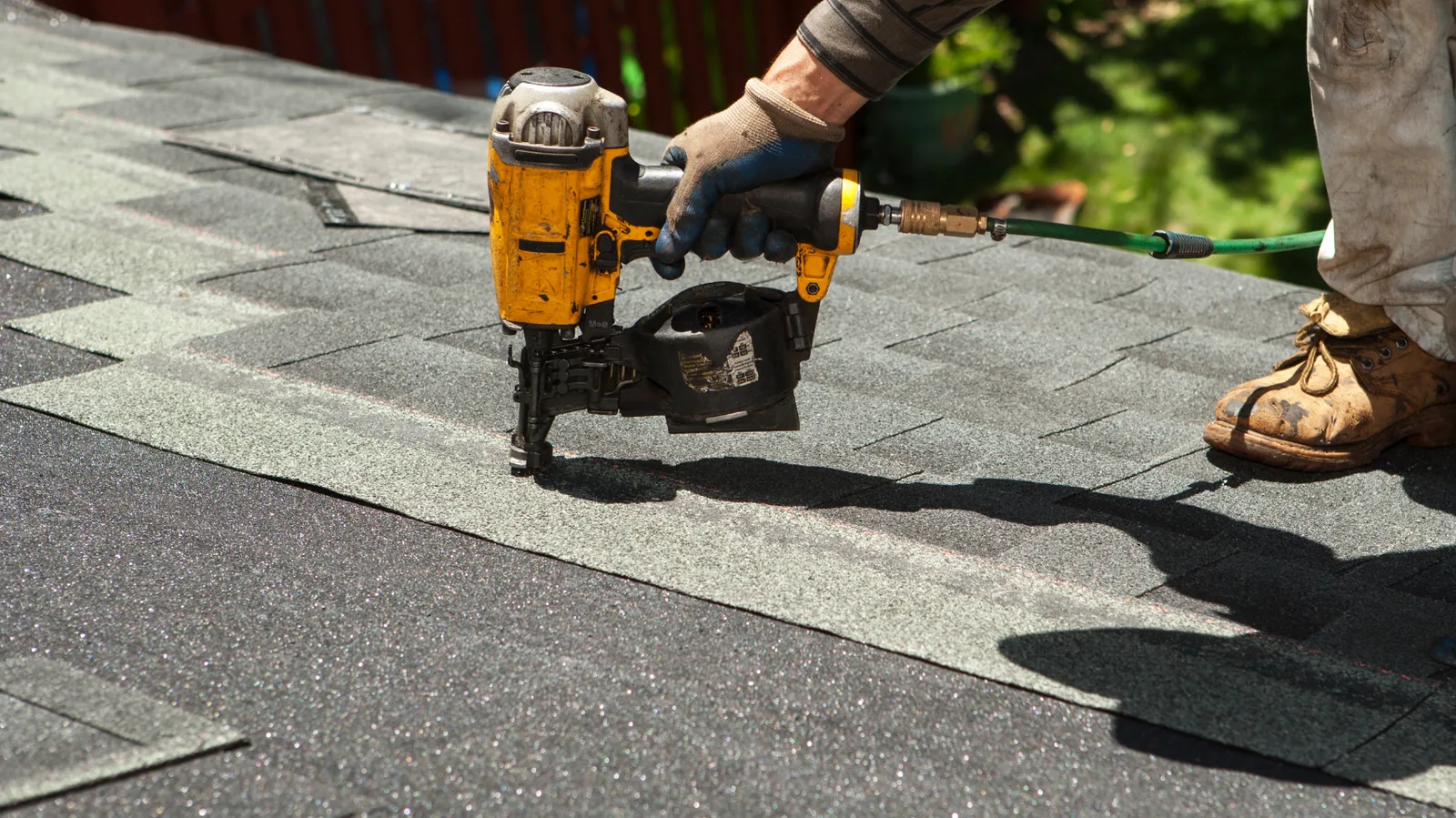
A replacement removes the old covering so the deck can be inspected and repaired where needed. That matters on a roof with an unknown repair history as much as on one you have owned for years. The older-home guide explains the questions that history can leave open.
North Richland Hills publishes a two-layer shingle limit. Its residential shingle-only permit guidance conflicts between two City pages; the permit guide explains what to confirm for the planned work.
What a replacement includes
The line items that should appear on any replacement estimate you're handed here.
Every layer removed and hauled off, so what goes on next sits on wood instead of old shingle.
Damaged or unsound sheathing needs suitable replacement. Agree the unit price and how additional work will be approved before tear-off.
Valleys, penetrations and roof edges need the leak barriers and detailing specified for the chosen assembly.
The product, laps and fastening pattern must suit the roof covering and its instructions.
Inspect step, counter and pipe flashing. The proposal should state what will be replaced, what may remain and how the joints will be integrated.
On a vented attic, check intake and exhaust together. A deliberately unvented attic needs a different design, not vents added by habit.
New metal along both edges, so water leaves the roof instead of running back behind the fascia.
Debris hauled, gutters cleared of granules, and the yard and drive swept for nails.
If a line above is missing from an estimate you're given, that's a gap that belongs in the conversation before you sign.
The sequence follows the roof and the selected system. Access, weather and material availability belong in the schedule.
One
Our roofer checks the covering, roof details and visible signs of deck trouble. The measure establishes the area being priced.
Two
Review named materials, flashing, hidden-work allowances and any coverage offered with the job.
Three
Agree access, delivery, any required permits and how the property will be protected.
Four
After tear-off and deck repairs, the new components go on in the sequence their assembly requires.
Five
Confirm cleanup, inspection requirements and the records or warranty documents included in the contract.
When a repair stops paying
These are reasons to inspect the condition and extent of wear. None sets an automatic replacement deadline.
Bare areas can leave the asphalt exposed. New shingles can also shed loose granules, so context matters.
The roofer needs to distinguish damage to the mat from surface marks and ordinary wear.
If lifting adjacent shingles breaks them, a local repair may create damage around itself.
Age helps frame the inspection, but a birthday alone does not condemn the roof.
The cause and surrounding condition matter more than a particular number of leaks.
An unsafe area needs prompt attention; the extent of the affected wood helps define the work.
What it costs
For an example 2,400-square-foot roof surface, the current DFW architectural shingle range is $12,000 to $19,200 installed. Class 4 impact-rated shingles give $15,600 to $24,000 on the same area. These are regional seller-published planning bands, not an average roof size or a quote for this city.
The rates include ordinary tear-off and disposal. Extra layers, damaged decking, complex access and the actual specification can change a proposal. The cost guide shows the sources and calculation.
See the full cost breakdownStaging and safe working access affect labor.
More material to remove adds labor and disposal; it does not automatically double the whole job.
Agree unit rates for work that cannot be fully counted before the covering is removed.
Valleys, chimneys and transitions need work beyond the open field.
The exact product and assembly determine more than its broad category name.
Hail, wind and heat put different demands on a roof. An inspection distinguishes their effects rather than assigning every worn shingle to the last storm.
Stone size, hardness, angle and the roof beneath the covering all influence damage. There is no single one-inch failure threshold.
Lifted shingles and disturbed edge details may need attention even when nothing fell into the yard.
The roof covering, attic design and indoor moisture sources need to be considered together.
A repair or recover may have changed parts of the assembly. The house construction date does not tell you what is now overhead.
The local storm archive reports a stated radius, with dates and source records. It does not establish damage at an address.
Replacement questions
The ones that come up on almost every estimate.
Roof area, complexity, deck repairs and weather change the work period. Ask for a schedule after the roof is assessed, including how changes will be communicated.
A recover needs a sound, eligible existing assembly and compliance with local and manufacturer requirements. The City publishes a two-layer limit, but that is not permission to recover every roof. Removing the old covering allows a fuller deck inspection.
The affected wood needs repair before it supports the new system. Ask for the unit price and change approval procedure beforehand. NRH requires decking or rafter work to be addressed in the permit scope.
They are worth comparing when choosing a new roof. Use the actual product rating, upgrade quote and any written insurer discount, as explained in the shingle guide. They are not hail-proof.
Weather protection and temporary dry-in belong in the contractor’s plan. Ask how much roof will be opened at once and what happens if the forecast changes. A schedule should account for weather rather than promise it cannot interrupt the job.
North Richland Hills Roofers
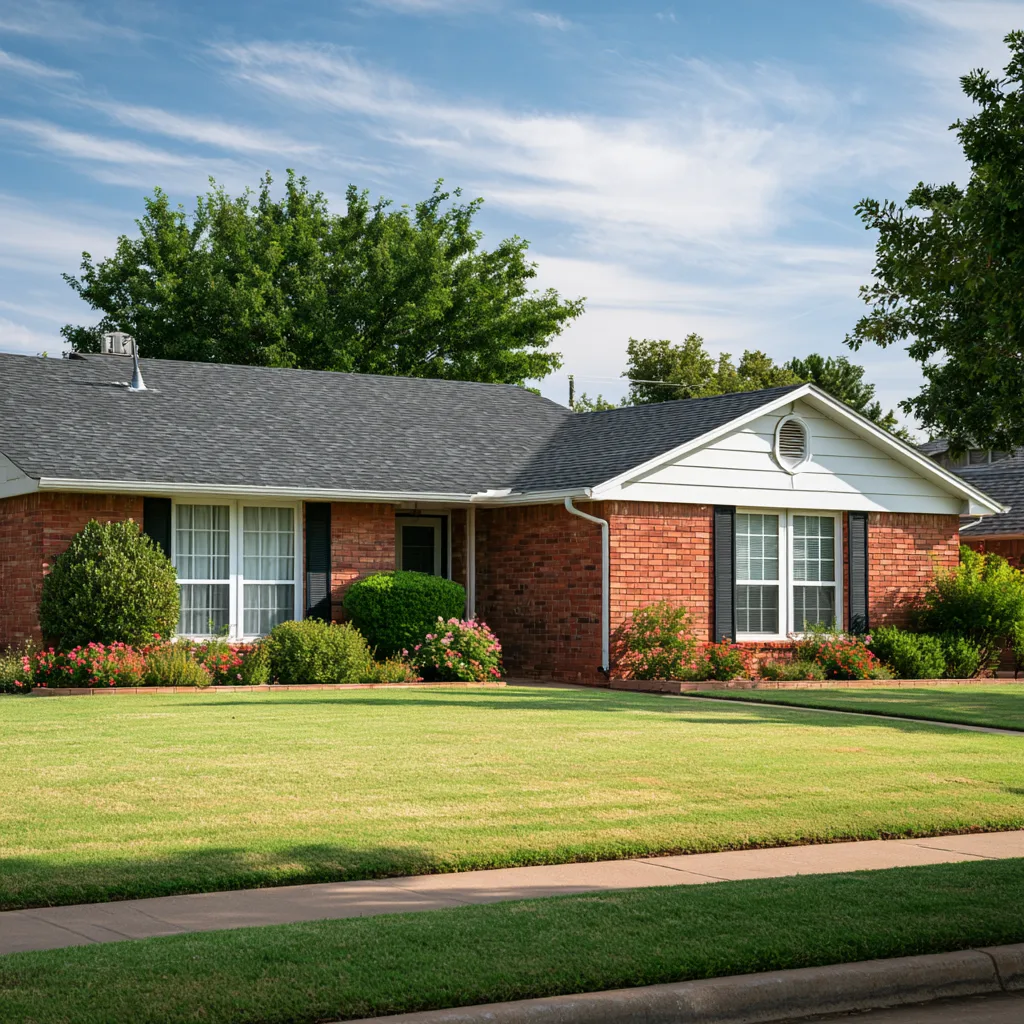
Thinking about replacing the roof? Our roofer can inspect the condition and explain the assembly and scope worth pricing.
(817) 479-0604