Synthetic underlayment
Underlayment covers the deck beneath the primary covering. Product, overlap and fastening requirements vary.
- Coverage
- As specified across the field
- Selection
- Compatible with the covering
- Job
- Secondary water protection
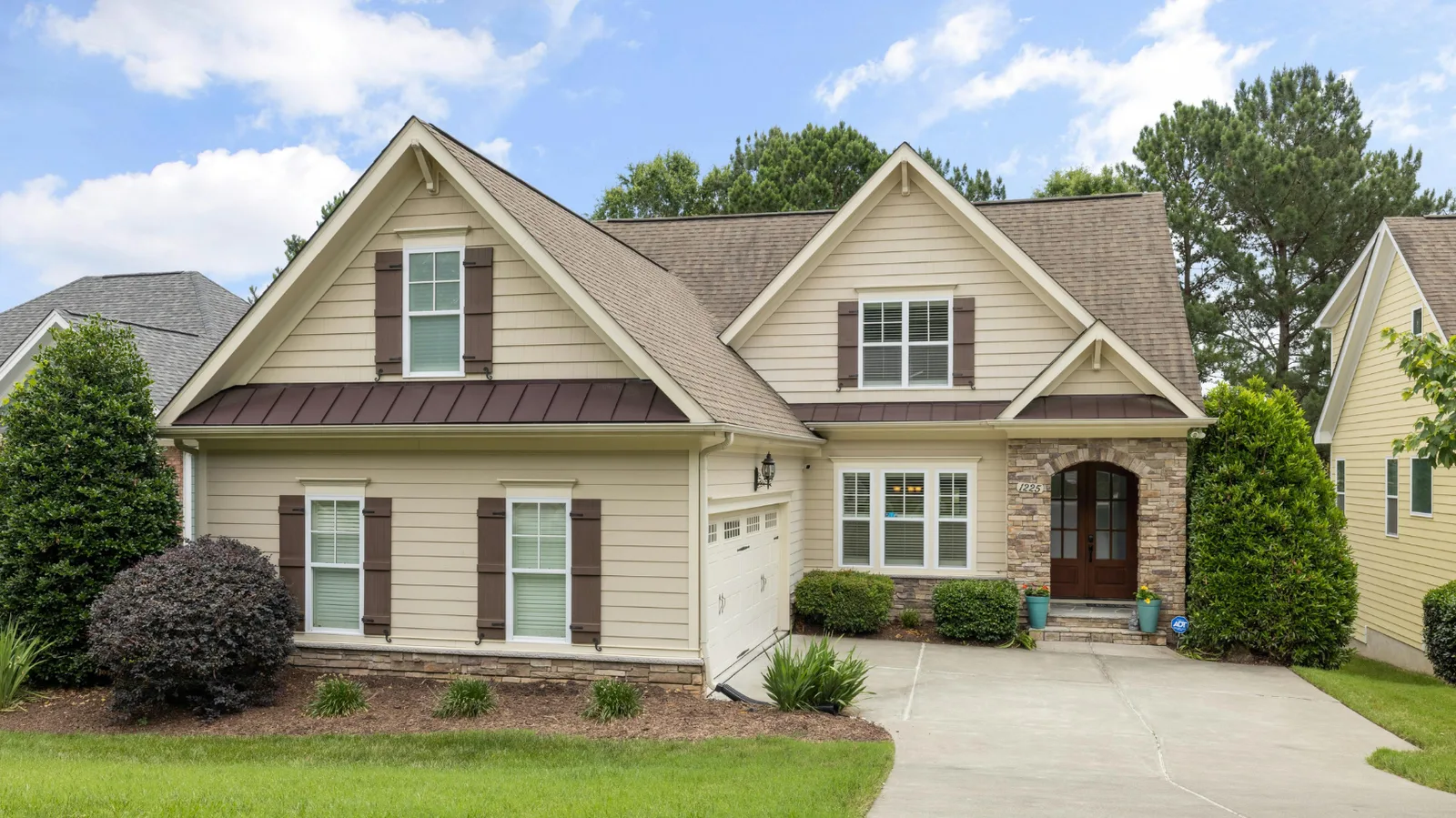
North Richland Hills, TX
Roofing materials compared: asphalt, metal and low-slope membrane, and an honest read on which suits a house in this part of Tarrant County.
Roofing materials
The covering is the visible choice. The deck, underlayment, flashing and attic design help determine whether it works as a roof. Compare those layers with the asphalt, metal or membrane going above them.
Asphalt gives several profile and rating options. Metal changes the appearance and detailing. Low-slope sections need a system approved for their pitch, which may be different from the main roof.
A roof's only as good as the layers you never see, so the estimate should name them.
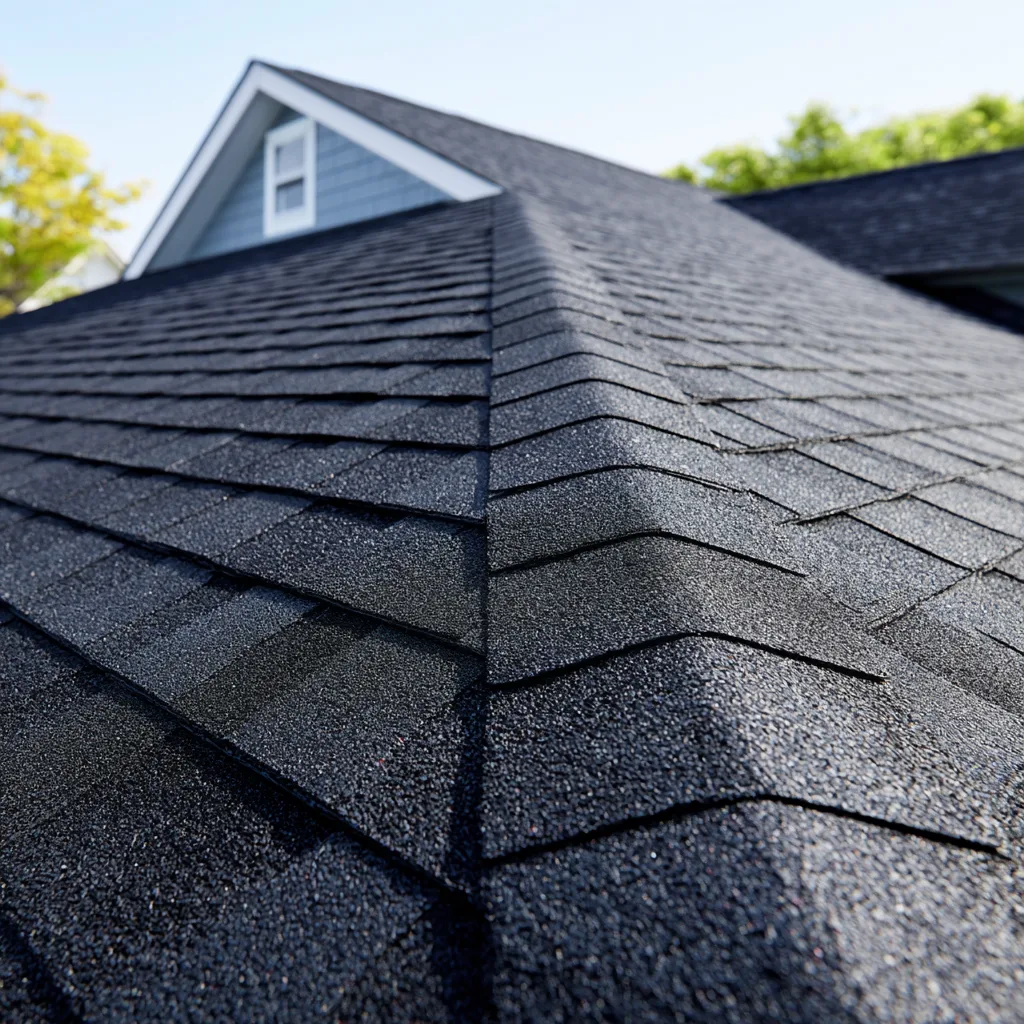
These components manage water and support the covering. Each needs to suit the selected assembly.
Underlayment covers the deck beneath the primary covering. Product, overlap and fastening requirements vary.
A self-adhering leak barrier used at details required by the system or local rules. Installation and compatible surfaces matter.
Flashing connects the roof to walls and chimneys. The condition and design determine repair or replacement.
Edge metal directs water away from vulnerable roof edges. Use the detailing required for the selected assembly.
On a vented attic, exhaust must work with an open intake path. A deliberately unvented roof needs a different moisture design.
Collars and flashing seal plumbing penetrations. Inspect for cracks or separation rather than assume a fixed replacement age.
Side by side
The best comparison uses the actual products and roof geometry.
| Asphalt shingle | Standing seam metal | |
|---|---|---|
| Installed example: 2,400 roof square feet | $12,000–$19,200 architectural | $28,800–$60,000 standing seam |
| Service life | Depends on product, installation and exposure | Also depends on profile, finish and maintenance |
| Hail damage | Can damage mat and covering | Can dent panels or damage seams and finish |
| Wind | Fastening and roof edges matter | Attachment and edge details matter |
| Minimum slope | Follow the specific shingle instructions | Varies by panel and seam profile |
| Repair | Matching and surrounding condition matter | Compatible fabrication and matching matter |
| Appearance | Many colors and profiles | Panel lines, finish and visible texture differ |
Ranges use the current regional cost model, with ordinary tear-off included.
Under the shingle
Choosing the covering, and what sits under it.
There is no single answer for every roof. Compare the pitch, exposure, appearance, assembly and budget, then the actual product ratings. Metal and impact-rated asphalt can both be useful choices; neither is storm-proof.
It is the layer between deck and covering that adds water protection as part of the assembly. Material, overlaps and fastening need to follow the selected system’s instructions. Synthetic products differ, so the specification matters.
Roof leaks and indoor moisture can both affect the assembly. A vented attic needs a usable intake and exhaust path; an unvented attic needs suitable air, insulation and moisture control. The attic article explains the distinction.
You often must. A low-slope section below minimum pitch can't be shingled and needs a membrane. Mixing systems on one house is normal when the pitches genuinely differ.
The named product lets you compare ratings, installation requirements and coverage. Installation quality matters too; neither a brand name nor a broad grade label replaces a complete specification.
North Richland Hills Roofers
Share the materials you are considering. Our roofer can check the roof and help you compare systems that suit it.
(817) 479-0604