One
Share what changed
Approximate storm timing, interior leaks and safe ground-level observations help frame the inspection.
North Richland Hills, TX
A close look at the roof after hail or strong wind, followed by a repair or replacement scope that fits what was damaged.
Storm and hail
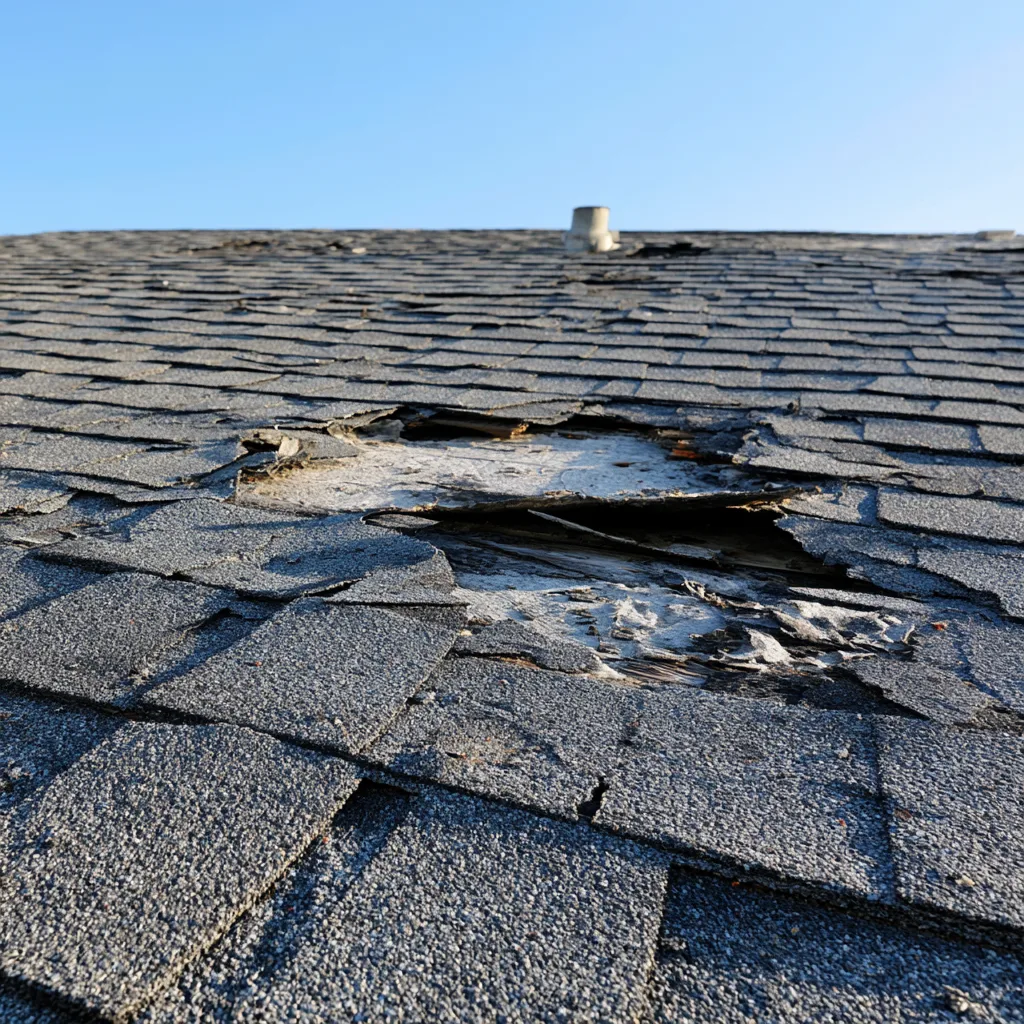
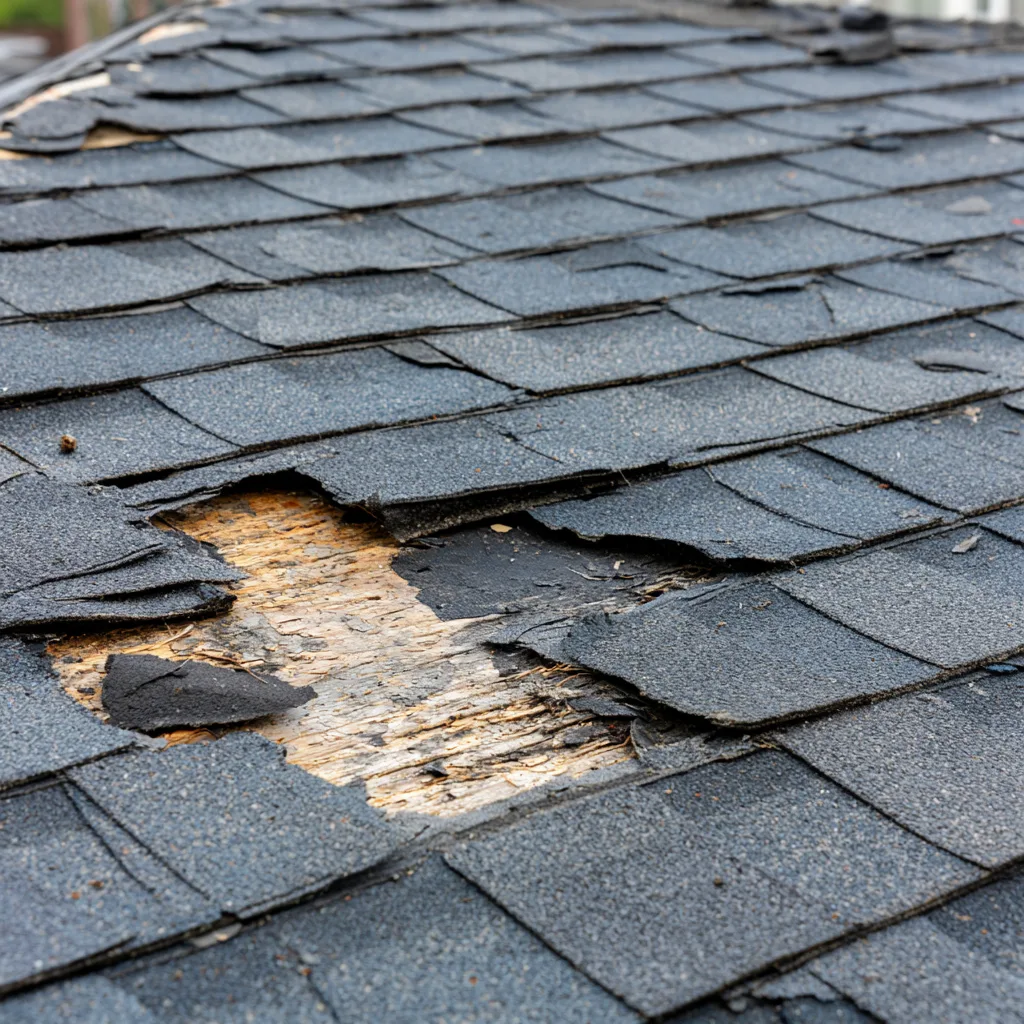
A roof can look much the same from the yard after hail or wind. The closer inspection looks for damaged mat, cracks, disturbed seals and flashing, while distinguishing impact marks from ordinary wear.
Our roofer can assess the roof condition. The local storm archive helps place reported weather in time, but a nearby report does not establish what happened at your address.
The inspection is free. If you need a formal damage report or particular photographs for an insurer, confirm that document scope when arranging the visit.
Share the timing you know and have the roof checked. Contact your insurer promptly if you believe property damage occurred.
One
Approximate storm timing, interior leaks and safe ground-level observations help frame the inspection.
Two
Our roofer checks the slopes, flashing and exposed metal. Different parts of one roof may have different damage.
Three
Local damage with sound surrounding material may suit repair. Wider deterioration can change the proposed work.
Four
Review the roof scope with the roofer and policy questions with the insurer. You do not need to delay reporting damage while waiting for an inspection.
From damage to scope
The inspection connects each finding to the work that will restore the roof.
Fresh sealant cannot restore a broken reinforcing mat. The damaged shingles need replacing, with the surrounding covering checked for whether it can be lifted and tied into soundly.
A lifted piece may have damaged its seal, fasteners or the material around them. The repair has to address that attachment, not simply press a loose edge back down.
The question is whether the detail still directs water over the next layer. A dent away from a seam and an opened joint can need different work.
Extent changes the decision. Scattered repairable pieces and widespread damage are different scopes; an inspection establishes where the sound covering ends.
The storm guide covers safe observations and local weather reports. Here the next step is matching roof findings to a repair or replacement.
Water entering now needs attention even while the full storm scope is being worked out.
Discuss suitable short-term protection with the roofer. A temporary cover limits exposure while a lasting repair is arranged; it does not resolve damaged material beneath it.
The permanent scope must reach material that will hold the new work. Product availability and the condition at the repair edges can affect that boundary.
The roofer assesses the damage and proposed work. Report suspected loss promptly to your insurer and ask about mitigation duties and reporting requirements.
Hail questions
What to do in the days after a hailstorm.
Arrange an inspection when you suspect damage, and contact your insurer promptly about its reporting requirements. Keep safe photos of changes you can see while waiting.
That needs evidence from the actual roof. Ask what is damaged, why repair would or would not work, and for the scope and terms before signing a contract. A claim about the neighborhood does not settle the condition of your roof.
No. Isolated bruising on one slope can be repaired. Widespread impact across the field usually can't, because the mat's been compromised everywhere and patching it doesn't restore it.
Do not delay reporting suspected property damage just to wait for a roofer. Ask your insurer about duties and deadlines, and arrange the roof inspection alongside that. The roofer assesses the work; the insurer decides coverage under the policy.

North Richland Hills Roofers
Tell us what changed after the storm. Our roofer can check the roof and help you understand the work it may need.
(817) 479-0604